
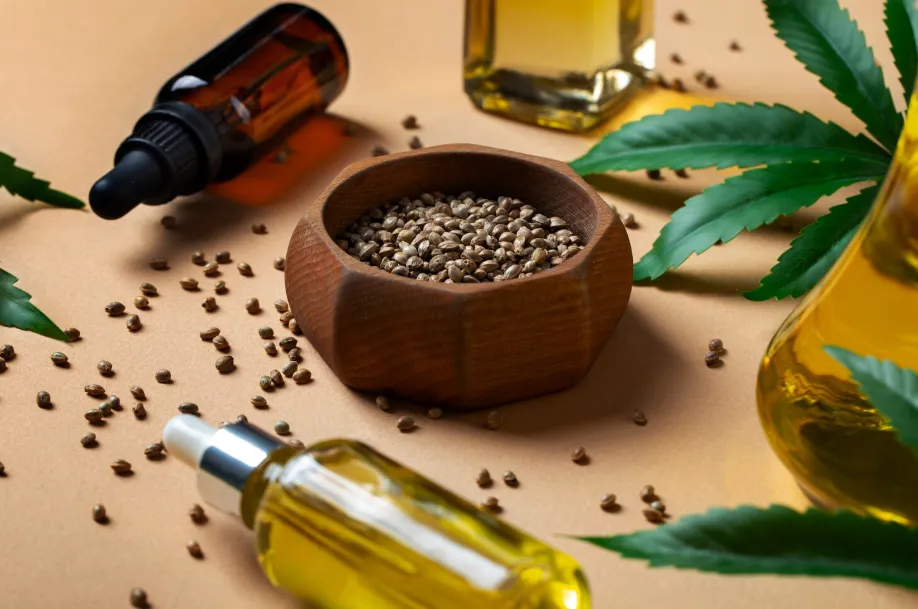
Hemp has become one of the most versatile and valuable crops in modern agriculture. From hemp flower and hemp-derived cannabinoids to textiles, food products, and sustainable building materials, hemp is used in thousands of consumer and industrial products worldwide.
However, before hemp reaches store shelves, it must undergo a series of processing steps that transform raw plant material into finished products. The journey from seed to finished product involves farming, harvesting, drying, extraction, manufacturing, and quality control. As consumer demand for hemp-derived products continues to grow, retailers like Alt Super Store help connect customers with a wide range of products made through these carefully managed processes.
In this guide, we’ll explore how hemp is processed from farm to finished product and examine the various methods used to create the hemp products consumers use every day.
What Is Hemp Processing?
Hemp processing refers to the steps involved in converting harvested hemp plants into usable raw materials and finished goods.
Depending on the intended product, hemp processing may focus on:
- Hemp flower
- Hemp fiber
- Hemp seeds
- Hemp oil
- Hemp-derived cannabinoids
- Industrial hemp materials
Because different parts of the hemp plant serve different purposes, processing methods vary significantly across industries.
Step 1: Hemp Cultivation
The journey begins with hemp farming.
Farmers cultivate hemp varieties based on the desired end product.
Fiber Hemp
Grown for:
- Textiles
- Rope
- Paper
- Industrial materials
Grain Hemp
Grown for:
- Hemp seeds
- Hemp oil
- Protein products
Cannabinoid Hemp
Grown for:
- Hemp flower
- CBD extraction
- Minor cannabinoids
- Hemp-derived wellness products
Throughout the growing season, farmers monitor:
- Soil conditions
- Irrigation
- Nutrient levels
- Pest management
- Plant health
Once plants reach maturity, harvesting begins.
Step 2: Harvesting Hemp
Harvest timing depends on the crop’s intended use.
Harvesting Fiber Hemp
Fiber hemp is typically harvested before full flowering to maximize fiber quality and strength.
Tall stalks are cut using specialized agricultural equipment.
Harvesting Grain Hemp
Grain hemp is harvested when seeds reach maturity and appropriate moisture levels.
Farmers often use modified combines to collect seeds efficiently.
Harvesting Hemp Flower
Cannabinoid hemp is harvested when flowers reach peak cannabinoid production.
Growers carefully monitor:
- Plant maturity
- Cannabinoid content
- THC compliance
- Flower quality
Many premium hemp flower operations use hand-harvesting techniques to preserve delicate trichomes and plant material.
Step 3: Drying and Curing
After harvest, hemp must be properly dried.
Why Drying Matters
Freshly harvested hemp contains significant moisture.
Proper drying helps:
- Prevent mold growth
- Preserve cannabinoids
- Protect terpenes
- Improve storage stability
Hemp Flower Drying
For cannabinoid-rich hemp, flowers are typically hung or placed in climate-controlled drying environments.
Growers carefully control:
- Temperature
- Humidity
- Airflow
Curing Process
After drying, many hemp flowers undergo curing.
Curing allows:
- Moisture stabilization
- Flavor development
- Aroma preservation
- Improved product consistency
This stage plays an important role in premium hemp flower production.
Step 4: Initial Processing and Separation
Once dried, hemp enters the primary processing phase.
The specific process depends on which part of the plant will be utilized.
Fiber Processing
Fiber hemp undergoes a process called retting.
Retting helps separate:
- Bast fibers
- Woody core (hurd)
Methods may include:
- Field retting
- Water retting
- Mechanical retting
After separation, fibers are cleaned and prepared for manufacturing.
Grain Processing
Hemp seeds are:
- Cleaned
- Dried
- Sorted
- Stored
Processors remove debris and ensure seeds meet quality standards before further use.
Flower Processing
Hemp flower is often:
- Trimmed
- Sorted
- Graded
- Packaged
Additional processing may occur for cannabinoid extraction.
Step 5: Cannabinoid Extraction
One of the fastest-growing sectors of the hemp industry involves extracting cannabinoids from hemp flower.
What Is Extraction?
Extraction is the process of isolating naturally occurring compounds from hemp plant material.
These compounds may include:
- CBD
- CBG
- CBC
- CBDV
- Terpenes
Common Hemp Extraction Methods
CO₂ Extraction
Carbon dioxide extraction is widely used in the hemp industry.
Advantages include:
- Precision
- Consistency
- Minimal residual solvents
Ethanol Extraction
Ethanol extraction is another common method.
Benefits include:
- Scalability
- Efficiency
- Commercial viability
Hydrocarbon Extraction
Certain processors utilize hydrocarbon-based systems to isolate cannabinoids and terpenes.
Strict safety and compliance standards are essential for these operations.
Step 6: Refinement and Purification
After extraction, hemp extracts may undergo additional refinement.
This process helps remove:
- Plant waxes
- Chlorophyll
- Unwanted compounds
The goal is to produce cleaner and more concentrated ingredients.
Depending on the product, processors may create:
- Full-spectrum extracts
- Broad-spectrum extracts
- Isolated cannabinoids
Each category serves different manufacturing needs.
Step 7: Product Manufacturing
Once raw hemp materials are prepared, manufacturers convert them into finished products.
Hemp Wellness Products
Manufacturers may create:
- Hemp oils
- Gummies
- Capsules
- Topicals
- Tinctures
These products often require additional formulation and testing before sale.
Hemp Food Products
Hemp seeds and oils are used in:
- Protein powders
- Hemp milk
- Snack foods
- Nutritional products
Hemp Textiles
Fiber processors transform hemp fibers into:
- Yarn
- Fabric
- Clothing
- Industrial textiles
Hemp Building Materials
Hemp hurd may be used to manufacture:
- Hempcrete
- Insulation
- Construction materials
Hemp Bioplastics
Industrial manufacturers increasingly utilize hemp fibers in sustainable plastic alternatives.
Step 8: Quality Testing
Quality assurance is a critical step in hemp processing.
Testing helps verify:
- Cannabinoid content
- THC compliance
- Product consistency
- Purity standards
- Safety requirements
Many manufacturers rely on third-party laboratories to ensure products meet regulatory and quality standards.
Common Testing Categories
- Cannabinoid analysis
- Terpene analysis
- Heavy metal screening
- Microbial testing
- Residual solvent testing
Testing helps support consumer confidence and industry transparency.
Step 9: Packaging and Distribution
After manufacturing and testing, hemp products are prepared for distribution.
Packaging may include:
- Product labeling
- Batch information
- Compliance documentation
- Storage instructions
Finished products are then shipped to:
- Retail stores
- Online retailers
- Distributors
- Consumers
Proper packaging helps maintain product quality throughout transportation and storage.
Sustainability Benefits of Hemp Processing
One reason hemp processing attracts so much attention is its potential environmental efficiency.
Nearly Every Part of the Plant Can Be Used
The hemp plant provides:
- Fiber
- Seeds
- Flower
- Hurd
This minimizes waste and maximizes resource utilization.
Renewable Raw Materials
Hemp can supply sustainable alternatives for:
- Textiles
- Packaging
- Construction
- Consumer products
This versatility contributes to hemp’s reputation as a sustainable crop.
Challenges in Hemp Processing
Although hemp offers tremendous potential, processors face several challenges.
These may include:
- Regulatory compliance
- Processing infrastructure limitations
- Transportation logistics
- Quality consistency
- Market fluctuations
As the hemp industry continues to mature, many of these challenges are being addressed through innovation and investment.
Frequently Asked Questions
How Is Hemp Processed After Harvest?
After harvest, hemp is typically dried, cured, cleaned, separated, extracted, refined, manufactured into products, tested, and packaged.
What Is Hemp Extraction?
Hemp extraction is the process of isolating cannabinoids and other beneficial plant compounds from hemp flower and plant material.
What Products Are Made From Processed Hemp?
Processed hemp can be used to create textiles, hemp flower products, hemp oils, hemp seeds, food products, paper, bioplastics, construction materials, and more.
Why Is Quality Testing Important?
Testing helps verify safety, cannabinoid content, compliance, and product consistency before products reach consumers.
Final Thoughts
The journey from hemp farm to finished product is a complex process involving cultivation, harvesting, drying, extraction, manufacturing, and quality control. Every step plays a vital role in ensuring the quality, safety, and consistency of the final product.
Whether hemp is transformed into textiles, food products, sustainable building materials, or hemp-derived cannabinoid products, modern processing techniques allow manufacturers to maximize the value of this remarkable plant. As the hemp industry continues to evolve, advancements in processing technology will likely unlock even more innovative applications for one of the world’s most versatile crops.
