
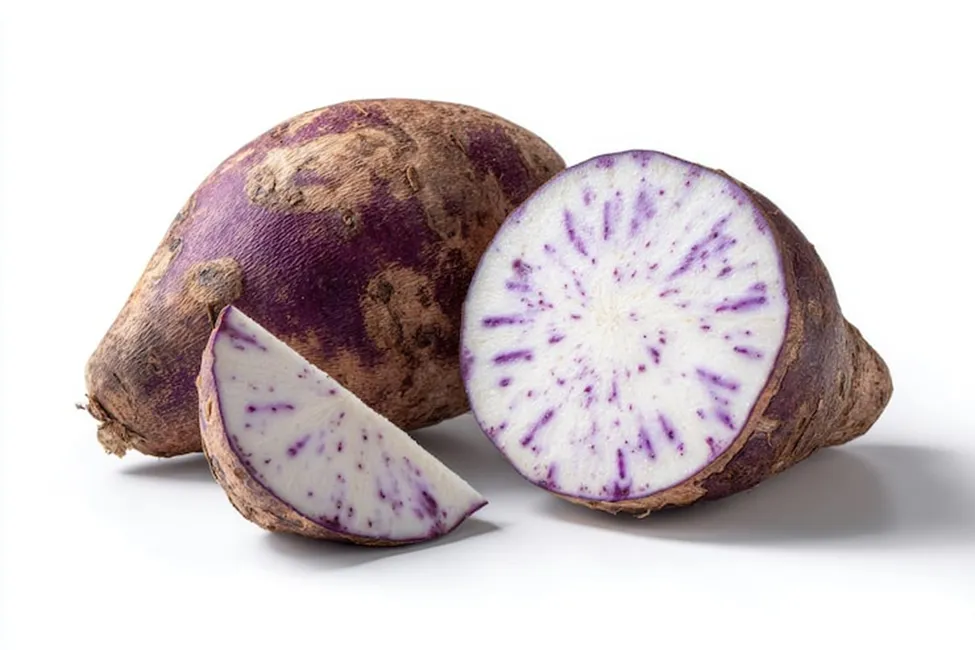
The deep purple color of ube catches the eye instantly. Yet its appeal goes far beyond aesthetics. Behind that vibrant shade lies a nutrient-dense root vegetable that has been part of traditional Filipino cuisine for generations. Today, people searching for natural foods that support overall wellness are turning their attention to ube. They want to know whether this purple yam offers real health advantages or if its popularity is simply driven by its striking appearance. Ube, scientifically known as Dioscorea alata, is often confused with purple sweet potatoes. Despite their similar color, they differ in texture, flavor, and nutritional composition. Ube has a slightly sweet, nutty taste with a creamy consistency when cooked. Beyond culinary appeal, many individuals are curious about how it may support digestion, metabolic health, and cellular protection. Interest in plant-based nutrition continues to grow across the United States. Consumers look for ingredients that combine flavor with measurable benefits. Ube fits into that conversation naturally. It contains fiber, complex carbohydrates, vitamins, minerals, and plant compounds that contribute to its vivid purple hue. That color is not decorative; it reflects the presence of bioactive compounds with potential physiological effects. Understanding the real benefits of ube requires examining its nutritional profile, antioxidant capacity, and role within a balanced diet. Rather than relying on trends, it makes sense to look at what research and nutritional science reveal about this distinctive root vegetable.
What makes ube nutritionally interesting?
Ube stands out because of its combination of macronutrients and micronutrients. As a root vegetable, it primarily provides complex carbohydrates, which serve as a steady energy source. Unlike refined sugars, complex carbs digest more slowly. This slower breakdown helps maintain more stable blood sugar levels compared to highly processed foods. A standard serving of cooked ube offers dietary fiber, vitamin C, potassium, and smaller amounts of B vitamins. Fiber plays a central role in digestive health. It supports regular bowel movements, nourishes beneficial gut bacteria, and contributes to a feeling of fullness. For individuals trying to manage appetite or support digestive balance, fiber intake matters.
Ube also contains resistant starch. This type of starch behaves differently from simple carbohydrates. It resists digestion in the small intestine and ferments in the large intestine. That fermentation process can support gut microbiota diversity, which influences immunity and metabolic function. Its micronutrient profile includes:
- Fiber
- Vitamin C
- Potassium
- Anthocyanins
- Resistant starch
Potassium helps regulate fluid balance and supports normal muscle function. Vitamin C contributes to immune support and collagen production. While ube is not an extreme source of any single nutrient, its balanced composition makes it a meaningful addition to a varied diet. When evaluating health benefits, context is important. Ube is not a miracle food. It is a whole, minimally processed plant ingredient that can complement balanced eating patterns.
How do antioxidants in ube support the body?
The intense purple color of ube comes from compounds called anthocyanins. These are natural pigments found in many deeply colored fruits and vegetables such as blueberries and purple cabbage. Anthocyanins belong to the flavonoid family, a group of plant compounds studied for their antioxidant activity. Antioxidants help neutralize free radicals. Free radicals are unstable molecules produced during normal metabolism and in response to environmental stressors like pollution or UV exposure. When free radicals accumulate, they can contribute to oxidative stress. Oxidative stress has been associated with cellular damage and long-term health challenges.
Ube acts like a protective shield at the cellular level. Its anthocyanins may help reduce oxidative stress by stabilizing free radicals before they damage cells. Research on anthocyanin-rich foods suggests potential benefits for cardiovascular health, cognitive function, and metabolic balance. These effects are not exclusive to ube, yet its high pigment concentration places it in the same category as other antioxidant-dense foods. Vitamin C in ube adds another layer of antioxidant support. This vitamin participates in immune defense and assists in regenerating other antioxidants in the body. Together, anthocyanins and vitamin C contribute to the root’s protective potential. People seeking foods that support long-term wellness often prioritize antioxidant diversity. Including naturally colorful vegetables like ube increases exposure to different protective compounds.
Can ube help with blood sugar balance?
Blood sugar regulation is a frequent concern for individuals monitoring metabolic health. Ube’s structure as a complex carbohydrate, combined with fiber and resistant starch, influences how glucose enters the bloodstream. Foods high in fiber slow digestion. That slower digestion can moderate the rate at which glucose is absorbed. Compared to highly refined carbohydrate sources, ube may produce a more gradual blood sugar response. This does not mean it eliminates glucose spikes entirely. Portion size and preparation method still matter.
Resistant starch contributes further benefits. When fermented in the colon, it produces short-chain fatty acids. These compounds may play a role in insulin sensitivity and metabolic signaling. Emerging research suggests that resistant starch can support improved glycemic control when consumed regularly as part of a balanced diet. Preparation significantly impacts its effect. Ube desserts with added sugar and cream differ nutritionally from steamed or roasted ube. For those prioritizing metabolic balance, simple preparations preserve the root’s natural fiber and nutrient structure. Anyone managing a medical condition should consult a qualified healthcare professional before making dietary changes. Ube can be part of a thoughtful eating plan, though it should not replace individualized medical guidance.
What are the digestive benefits of ube?
Digestive comfort influences daily well-being more than many people realize. Bloating, irregularity, sluggish digestion, or fluctuations in appetite often trace back to fiber intake and gut microbiota diversity. Ube contributes meaningfully in this area because of its dietary fiber and resistant starch content, both of which support intestinal balance. Fiber acts like structural support within the digestive tract. It adds bulk to stool, helps maintain regular bowel movements, and reduces the likelihood of constipation. Adequate fiber intake has also been associated with long-term digestive health and lower risk of certain gastrointestinal issues. Many Americans fall short of recommended daily fiber intake. Incorporating whole foods such as ube offers a practical way to close that gap.
Resistant starch behaves differently from typical carbohydrates. Instead of being fully digested in the small intestine, it travels to the colon intact. There, beneficial gut bacteria ferment it. This fermentation produces short-chain fatty acids such as butyrate. These compounds help nourish colon cells and may support gut barrier integrity.
How resistant starch supports gut bacteria
The gut microbiome functions like a dynamic ecosystem. Diversity within that ecosystem matters. Resistant starch serves as a substrate for beneficial microbes, encouraging their growth and activity. A balanced microbiome influences immune signaling, inflammation regulation, and even mood through the gut-brain axis. When ube is prepared in ways that preserve its natural starch structure, it contributes to this microbial diversity. Cooling cooked ube before consumption may even increase its resistant starch fraction, similar to what occurs with other starchy foods. This subtle detail can influence digestive impact.
Digestive comfort and satiety
Fiber slows gastric emptying. That slower process supports longer-lasting fullness after meals. For individuals aiming to manage portion sizes or reduce frequent snacking, this can be helpful. Stable digestion often correlates with more consistent energy levels throughout the day. Including ube alongside lean proteins, healthy fats, and other vegetables enhances its digestive benefits. Balanced meals amplify the positive effects of fiber while reducing the likelihood of digestive discomfort from sudden dietary shifts.
Is ube beneficial for heart health?
Cardiovascular wellness depends on multiple factors: blood pressure regulation, inflammation control, lipid balance, and vascular integrity. Ube contributes indirectly through its nutrient profile and antioxidant capacity. Potassium supports normal blood pressure by helping balance sodium levels in the body. Diets rich in potassium-containing foods are commonly associated with healthier blood pressure ranges. While ube is not the highest potassium source available, it adds to overall intake when consumed regularly.
Anthocyanins may also play a role in cardiovascular support. Research on anthocyanin-rich foods indicates potential benefits for vascular flexibility and endothelial function. These plant compounds appear to influence nitric oxide pathways, which contribute to blood vessel relaxation. Heart health rarely hinges on one ingredient. Instead, it reflects long-term dietary patterns. Incorporating naturally colorful vegetables such as ube aligns with broader eating approaches that emphasize plant diversity, whole foods, and reduced ultra-processed products.
How to choose quality ube products?
Fresh ube can be difficult to find in some regions of the United States. When selecting ube-based products, ingredient transparency becomes important. Many commercial preparations add sugar, artificial coloring, or flavor enhancers. These additions can overshadow the root’s natural benefits. If purchasing packaged options, review the ingredient list carefully. Look for minimal processing and limited added sugars. For those interested in plant-based products that focus on purity and sourcing, exploring brands such as organic ube may provide additional insight into sourcing standards and preparation methods.
Preparation at home remains the most reliable approach. Steaming, baking, or roasting preserves nutrient density without unnecessary additives. Ube can be blended into smoothies, mashed as a side dish, or incorporated into savory recipes. Its mild sweetness makes it versatile while allowing control over overall nutritional quality.
Ube in the context of a balanced diet
No single food determines health outcomes. Ube offers measurable nutritional value, though it works best as part of a broader dietary framework. Its fiber content, antioxidant compounds, and complex carbohydrates support digestive balance, cellular protection, and sustained energy. It can replace more refined carbohydrate sources in certain meals, offering greater nutrient density without sacrificing taste. Pairing it with leafy greens, legumes, fish, or lean proteins enhances its metabolic benefits. Variety across the plate remains key.
The growing popularity of ube reflects curiosity about naturally vibrant foods. Its deep purple hue signals phytochemical richness. That color functions almost like a nutritional compass, pointing toward antioxidant diversity. Still, health improvements arise from consistent habits rather than isolated ingredients.
Why ube deserves a place in your kitchen?
Ube combines color, flavor, and nutritional substance in a way few root vegetables can match. Its fiber supports digestive regularity. Its anthocyanins contribute antioxidant protection. Its complex carbohydrates provide sustained energy. When chosen thoughtfully and prepared simply, ube fits naturally into a health-conscious lifestyle. Exploring it may not transform your health overnight, yet it can enrich your diet with both visual appeal and meaningful nutrients. How might you incorporate this vibrant purple root into your next meal?
